
The majority of scientists around the world agree that humans are largely for the warming of our planet. Over the past 50 years, temperatures on Earth have at a higher rate than ever recorded. In order to prevent excess greenhouse gases from trapping heat in our atmosphere, we need to change our lifestyles. This includes reconsidering how we travel, produce electricity, and use resources in our everyday lives. By reducing our and switching to clean forms of energy, there is a chance we will be able to extend our stay on our planet.
Despite weather like heat waves, droughts, and hurricanes, climate change has not been a for some world leaders. As a presidential candidate, Donald Trump said he was not a big believer in man-made climate change. Some of his supporters, including a handful of scientists, were even of taking part in a climate . Those who benefit financially from oil, gas, and coal industries often the need for clean energy . These industries provide enormous profits and employment, making some governments reluctant to support policies that could threaten their economic interests. By on science, a few have caused a large number of people to question whether man-made climate change even exists. Ignoring a time-sensitive topic like the environment creates a . If the public doesn't rate the environment as a major concern, world leaders will not either.
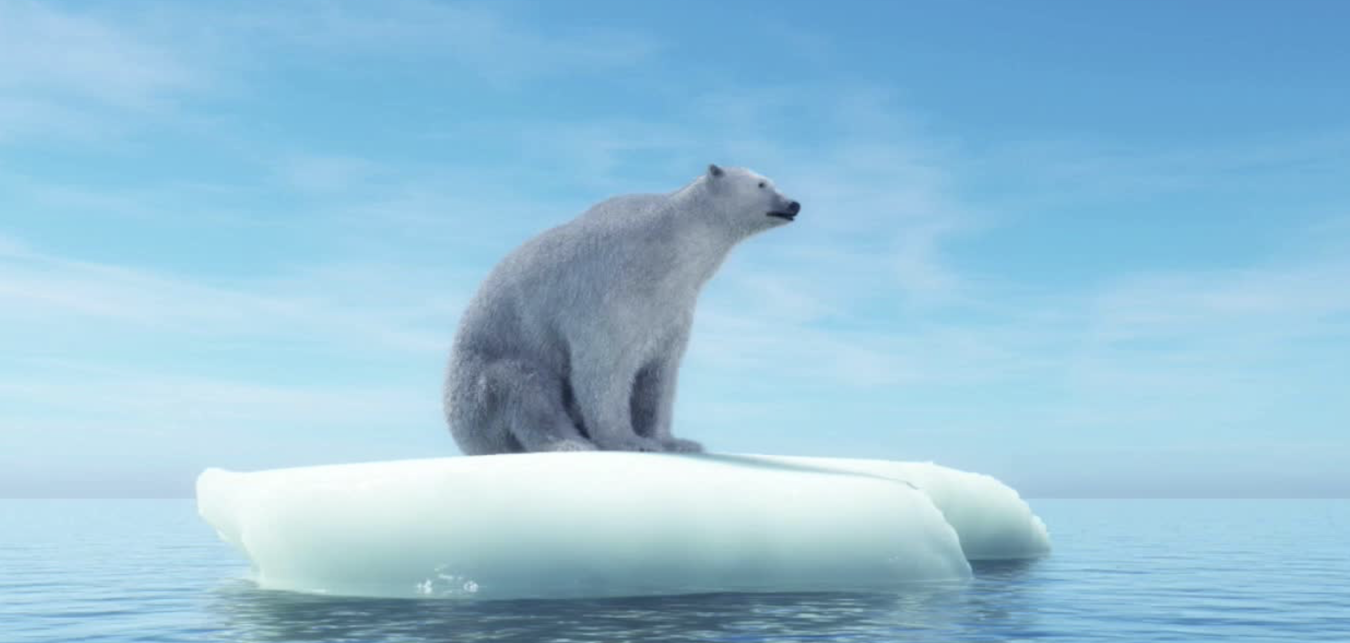
Environmentalists always said that the first place humans would see evidence of global warming would be in the Arctic. In 2012, the summer sea ice in the Arctic was at a . Ice experts have warned that sea ice in the Arctic will likely be within a few years. Such changes provide visible evidence of rising temperatures and demonstrate how rapidly conditions in this sensitive region can change. Instead of being concerned by these dangerous signs of global warming, some business thinkers are already considering potential . After all, open waters will lead to new shipping channels. We'll need stronger sunscreen products, too.
Climate change affects the whole planet, yet the world's leaders can't agree on what to do about it. Many leaders from countries think they should be . They don't believe their people to the problem, and they want wealthy nations to fix it. Developed nations aren't always as wealthy as they look. They're in debt, at war, and addicted to . These competing economic pressures make governments to accept responsibility or commit substantial amounts of money to environmental solutions. On May 24, 2019, hundreds of thousands of students walked out of schools around the world in a global climate strike protesting by their governments.
Will today's youth spark a climate ?